
Faithful to the book
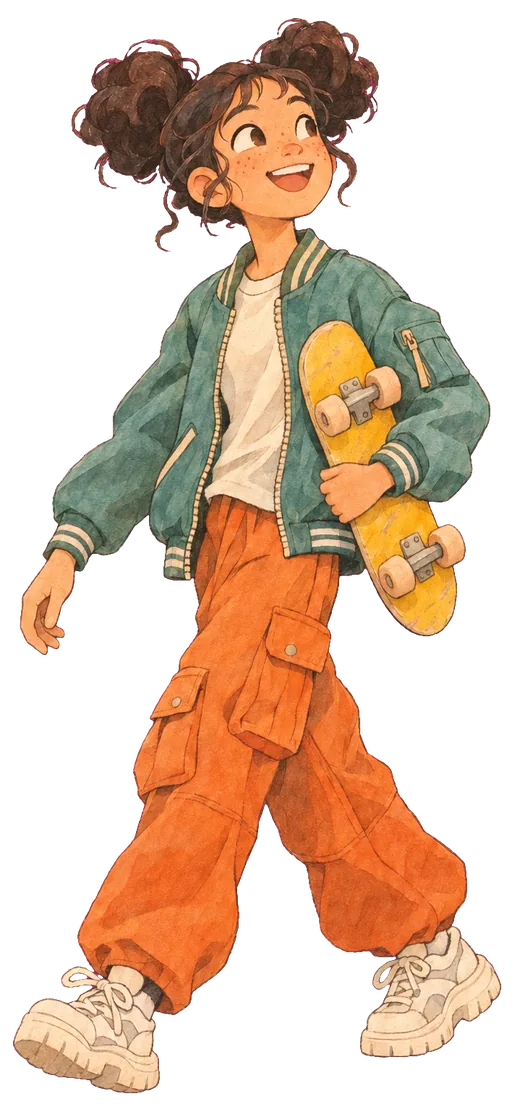
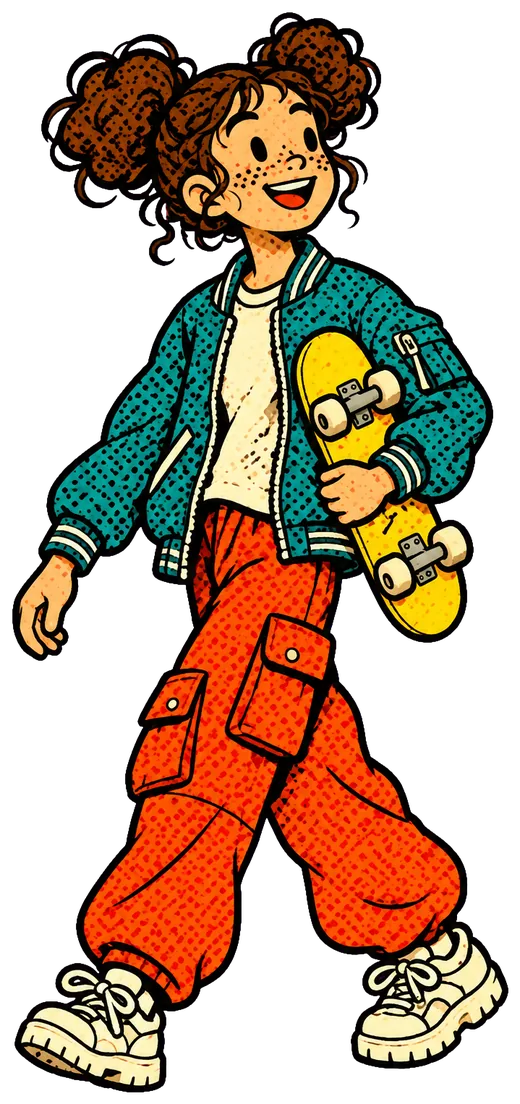
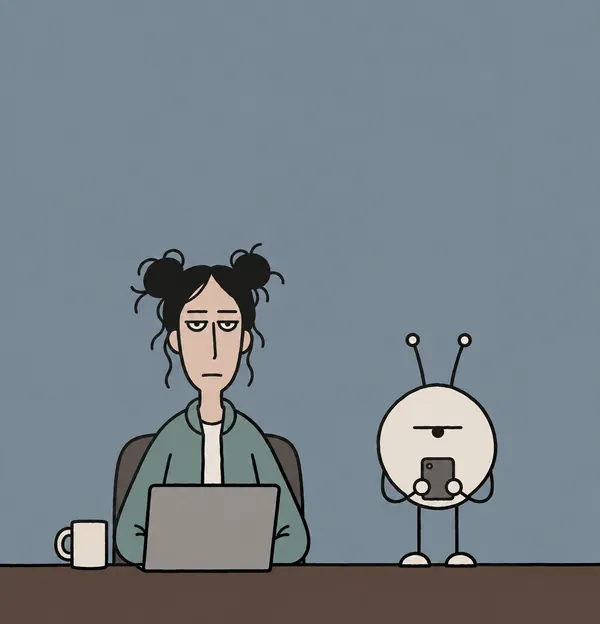
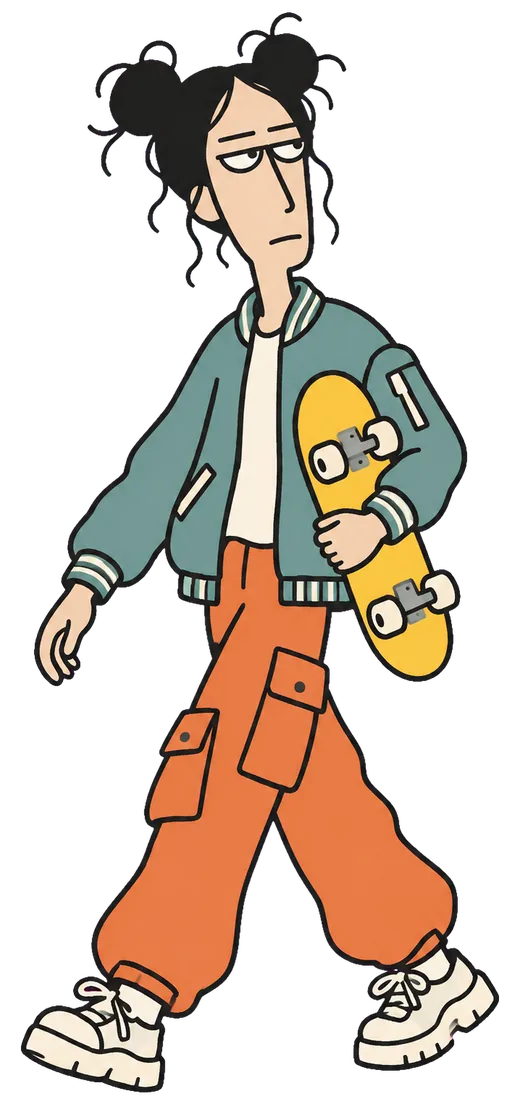
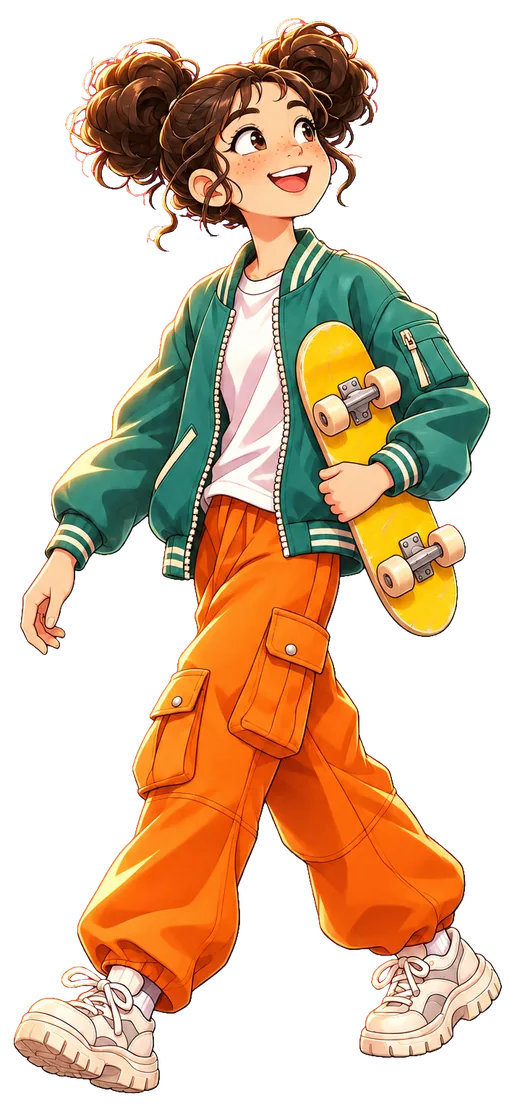
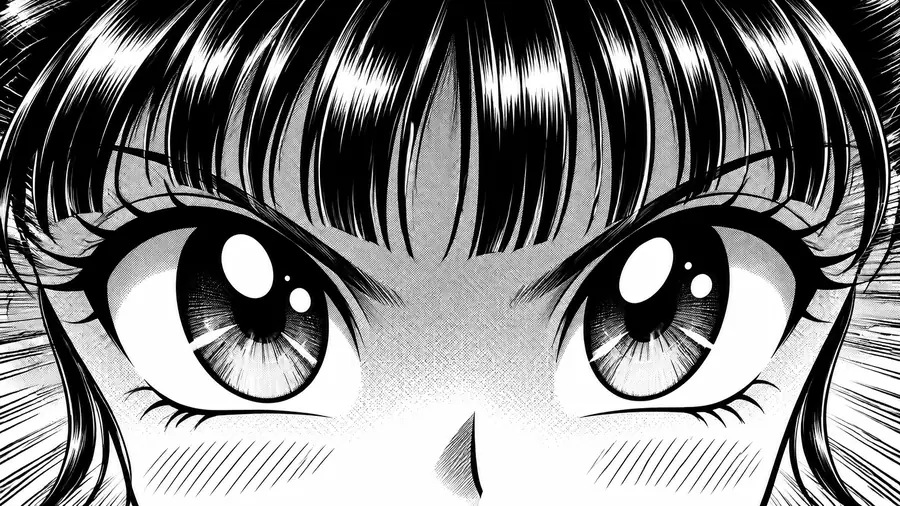
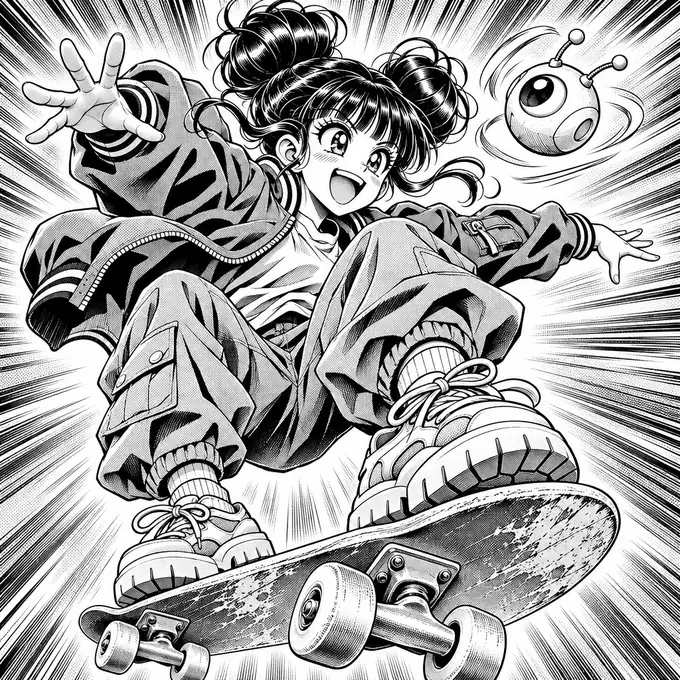
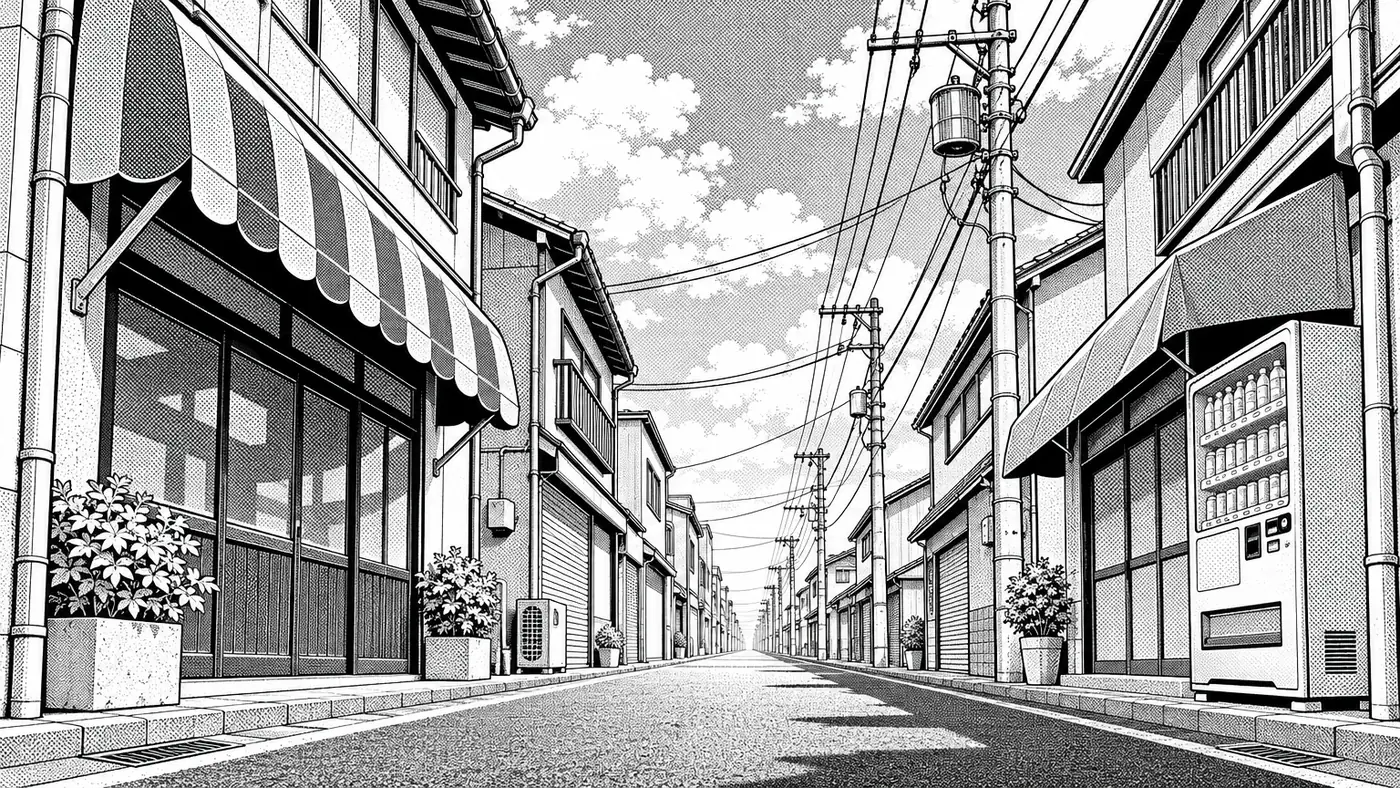
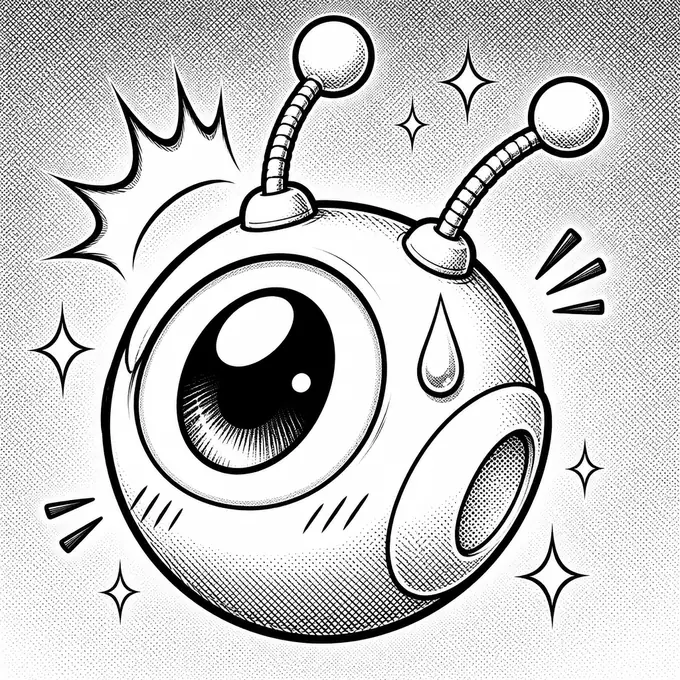
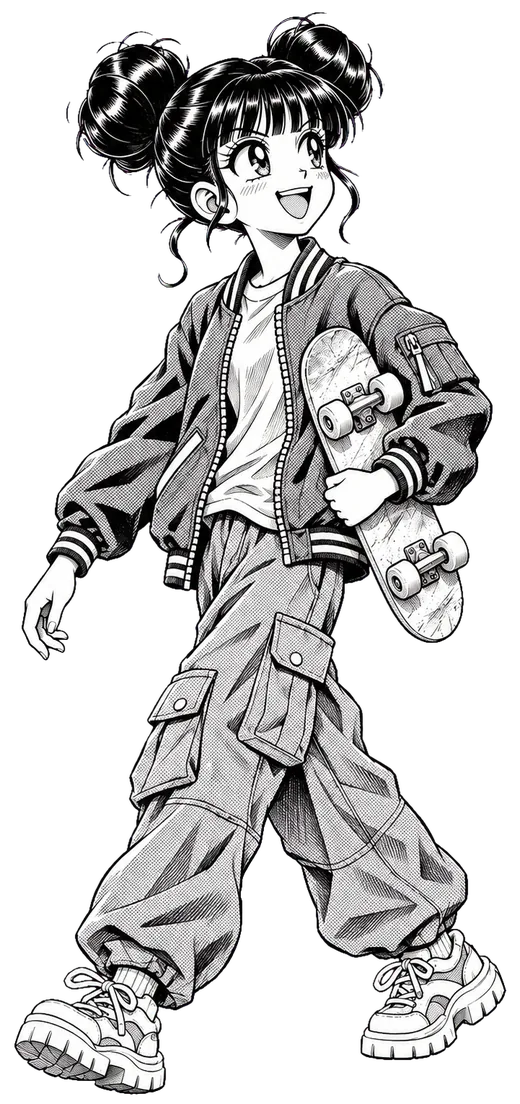
We work from the published pages. Character designs, faces, costumes, color and dialogue come from the book. What's new is the motion, the vertical frame and the voices.
Animation studio · Playa Vista, California
Made for TikTok, YouTube Shorts, Facebook and Instagram Reels.
We adapt published comics and graphic novels into vertical animated shorts and series, made for the phone. The characters, the line and the words stay the creator's.
A new studio, taking on a small number of first titles.
Approach
Most books never reach the screen. Animation is priced for franchises, and a full series takes years to finance. We make the short form possible for a single book, and we make it the careful way.
We work from the published pages. Character designs, faces, costumes, color and dialogue come from the book. What's new is the motion, the vertical frame and the voices.
The creator signs off on the characters first, then on a sample scene, then on every release. If the answer is no, it doesn't go out.
A short adaptation doesn't need a studio slate behind it. One book, one finished series or one strip is enough to start.
Opportunity
We track more than 28,000 comic and book series: how many people search for each one, whether it has ever been animated, and who holds the rights. Three things stand out.
In Japan, animation is the normal next step for a successful comic. Almost everywhere else, it still isn't.
Our research database, November 2026. "No animated adaptation" means none on record in the sources we check; individual titles are verified by hand before we approach a rights holder.
For kids' graphic novels, 85% of what readers search for has nothing animated to find. Searches for the typical title in that category are up 24% on a year ago.
Share of monthly Google searches for titles in each category, split by whether the title has been animated. Our research database, November 2026.
WEBTOON adds short vertical video episodes of its comics.
Kakao gives its studios a tool that turns a webtoon into a short video.
Harlequin announces 40 animated microdramas with Dashverse.
HarperCollins signs a multi-year deal with the animation studio Toonstar.
Piccoma launches short animated versions of its manga in Japan.
WEBTOON announces microdramas of six of its comics.
These deals were made between companies. Several drew public objections from the authors whose work was involved. We think the order should be reversed: the creator's yes comes first, and the work is built around it.
What we believe
We adapt it. We don't own it, redesign it or improve on it.
We don't make anything from a title until the people who hold the rights have agreed in writing.
Our animation is made with AI tools. We tell you that in the first conversation, and we tell the audience when the work is published.
Someone at the studio watches every shot against the original page before you see it. Software doesn't decide what's good enough.
A page and a phone screen tell stories differently. We design each scene for the screen, and keep what makes the book the book.
What it's for
A few short scenes from a new book, ready for the publisher's and the creator's channels on publication day.
For publishers' marketing teams, creators with a release date.
An animated scene shows a producer what the book looks like when it moves. It's easier to option what you can watch.
For literary agents, rights holders preparing for a market.
A finished story adapted as short episodes, each ending on a turn, for YouTube and the short-drama apps. Made with the rights holder as a partner.
For rights holders with a completed series.
A title that ended years ago still has readers. A short series gives new ones a way in, and gives the books a reason to be found again.
For publishers and syndicates with a catalog.
How it works
Who holds what, what's already committed, and what you'd want from an adaptation. Nothing is made at this stage.
Short, specific and reviewed by your side. It covers one title and one format.
We prepare the cast as it will appear on screen, then one finished scene. You approve, ask for changes, or end it there.
Scene by scene. You see each one before it's final, with its voices and sound.
On the channels we agreed, with credit to the creator and the book on every post.
AI, plainly
You should know exactly how the work is made before you decide. Here it is.
If AI is a hard no for you or your client, we understand, and we'd rather hear it at the start.
Working with us
About
We're Oleksandr Gamaniuk and Viktoria Perminova, a husband-and-wife team from Ukraine. We live in Playa Vista, on the west side of Los Angeles, a few minutes from the ocean.
We've built software companies together since 2016. We started this studio because we read comics, we watched what careless AI video was doing to other people's work, and we thought the same tools could be used the opposite way: slowly, with permission, in the service of the book.
A marketplace of chatbot templates, started on our savings. 1,000+ customers.
A job marketplace where an AI assistant matches people to openings. 2 million visits a month.
Comics, adapted for the phone, with their creators.
Questions
No. We license only short vertical animation, and the agreement says so. A scene people have watched can help a larger deal: it shows the property on screen.
That's set in the agreement for each title. The characters, story and art remain the creator's in every case, and nothing we make can be used without the rights holder.
Not by default. If exclusivity makes sense, it covers vertical animation of that title only, for a fixed term.
Then it isn't released. You approve the characters, the sample scene and each release, and you can end the project after any of them.
Yes, by either side, with notice. Work published under it comes down from our channels when you ask.
No, not without your written permission. See How we use AI.
Yes. We disclose it wherever the work is published.
It depends on the title and the use. We agree terms in writing before anything is made, and the first sample scene is at our expense.
What we've made so far belongs to the people we made it for, or was made for testing. We show work privately, by request, and only work we have the right to show.
We work in English today. Tell us what you need and we'll say honestly whether we can do it.
Write to us and we'll set up a private screening and a short call. Tell us the title you have in mind, and who holds the rights if you know.
[email protected]We answer every email ourselves, usually within two working days.